
Featured
It’s All About Your Immune System Part 1 ~ Why is it so important?
Do you find the flu bugs getting stronger and stronger each year? With a lot more people travelling these days,


Article by: Kate Sinha
In Asia, rice is such a big part of our diet – be it white rice, brown rice, red rice, rice porridge, rice noodles, or mochi. We may have rice being part of every meal in multiple ways from main course to dessert, every single day. So when dealing with chronic illness, how do we know how to navigate this and implement a Medical Medium friendly diet in our lives and in a way that we are emotionally ready for?
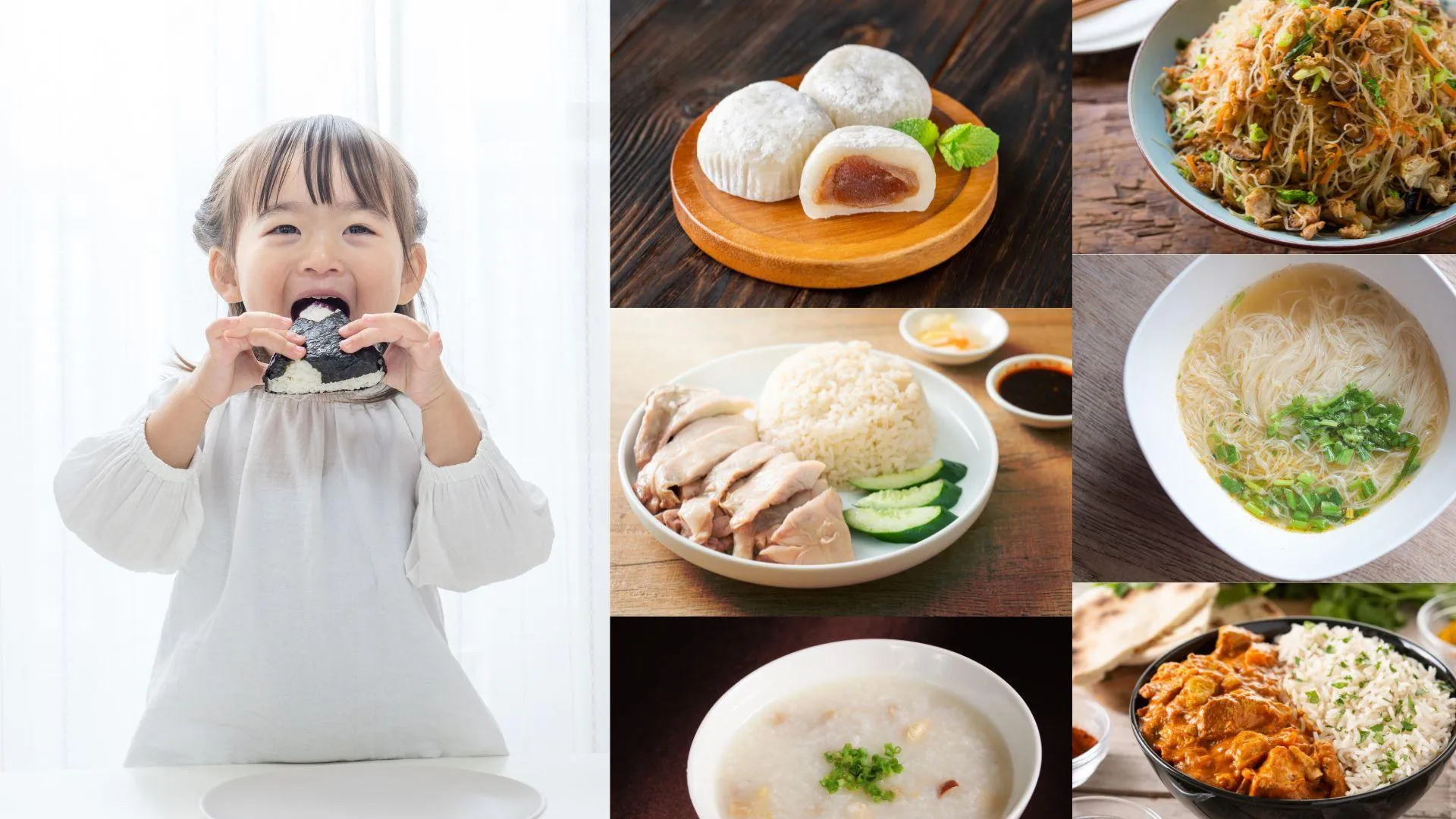
When thinking about rice under its umbrella term of grains and how they can affect our health, we can keep in mind some simple rules. Generally grains that contain gluten like wheat, spelt, and barley feed pathogens in the body; while gluten-free grains such as rice, oats, quinoa and millet don’t feed pathogens. Corn though, although gluten-free can feed pathogens due to its evolution. (You can read about corn as a No-food in Medical Medium’s Revised and Expanded Medical Medium page 251.)
A common question is – can we eat rice while trying to keep a Medical Medium friendly diet? The answer is yes – because rice is gluten-free. However, this depends on where you are in your healing journey and current health. Someone who is suffering from lots of symptoms and have just started cleansing may want to watch their grains intake versus someone who has relatively no symptoms and is not looking at healing at the moment. Rice can become an ingredient that fills up a large part of our meals, leaving little room for more nutrient dense foods like leafy greens and fruit, which are greatly needed when healing. (Cleanse to Heal, page 79)
The next question is – why do symptoms related to Streptococcus and Epstein-Barre virus sometimes worsen, even though rice doesn’t directly feed viruses? While rice is not a No-food, if you eat a lot of rice it could still potentially trigger a pathogen.
Why is this so? That is because rice and any other grain can create an environment in the body that makes it harder to heal. For example, grains can create more mucous in the body (similar to dairy), and this affects the immune system in the body. Pathogens like to hide in mucous to protect themselves. These pathogens then release toxins that cause the body to produce more mucous, ultimately providing pathogens an opportunity to thrive. (Medical Medium; Cleanse to Heal page 46).
If you don’t have a lot of conditions or if budget is an issue for you, then yes you can include rice in your diet. The beautiful thing about Medical Medium information is that you can tailor it to your needs, and having the right information can help you make an informed choice.
You may wonder – why can some people consume as much rice as they like, and yet not experience symptoms and don’t feel sick? The main reason is because they don’t have the pathogen(s) that feeds off wheat, gluten, etc yet in their body. If one does have the pathogens that feeds off gluten in the body then inflammation is without a doubt.
For most Asians, rice is a dietary staple in our daily meals. On top of that, it is often the largest part of our meal – think chicken rice, kway teow soup, nasi lemak, nasi kandar, pho and more. As mentioned earlier, rice takes up so much space in our meal, we miss the opportunity to consume more healing foods.
“While grains are nutritious, they don’t offer the healing phytochemical, antioxidants, and trace minerals of a pint of berries, a pair of apples, or a banana. Most importantly, grains don’t offer antiviral, antibacterial compounds; these compounds found in fruits, herbs such as celery, leafy greens, vegetables, and sea vegetables are precious and help bring out lives back by reversing chronic illness.” ~ Medical Medium; Cleanse to Heal page 79)
Another reason we need to be mindful when eating rice is that we often eat rice with fats, like fried fish with rice, fried rice, char kway teow – we keep our radical fats with our grains and the issue isn’t necessarily the rice but the combination that can cause insulin resistance, which results in diabetes. Rice, a complex carbohydrate, breaks down into sugars; and when you simultaneously have sugar and oil in your bloodstream, the sugar attaches itself to insulin to enter cells, and the fat blocks the sugar from binding to insulin to enter the cells; leaving the sugar behind in the bloodstream.
Additionally, fats and complex carbohydrate in combination in the digestive tract overloads the liver and pancreas. Fats weaken hydrochloric acid strength impairing fat breakdown, hence the liver has no choice but to produce more bile to compensate; while the complex carbohydrate interferes with the bile’s job of dispersing fats.
Another concern often raised about rice is that it contains high levels of arsenic. In truth, there isn’t any arsenic in rice, except for one variety of stripped white rice that contains it due to the pesticides sprayed on it. Online research suggests thisi s most likely basmati rice from India, where pesticides are heavily used. So, the arsenic basically comes from the pesticide and not the rice itself.
If you are wondering if you can continue to eat basmati rice, there may be some work-arounds. Consider eating parsley and/or coriander with organic basmati rice (preferred) or regular basmati rice (if budget is a constraint) to help mitigate the exposure to DDT, a common pesticide. If you choose to steer clear of basmati rice, organic short grain brown rice and organic white rice are good alternatives.
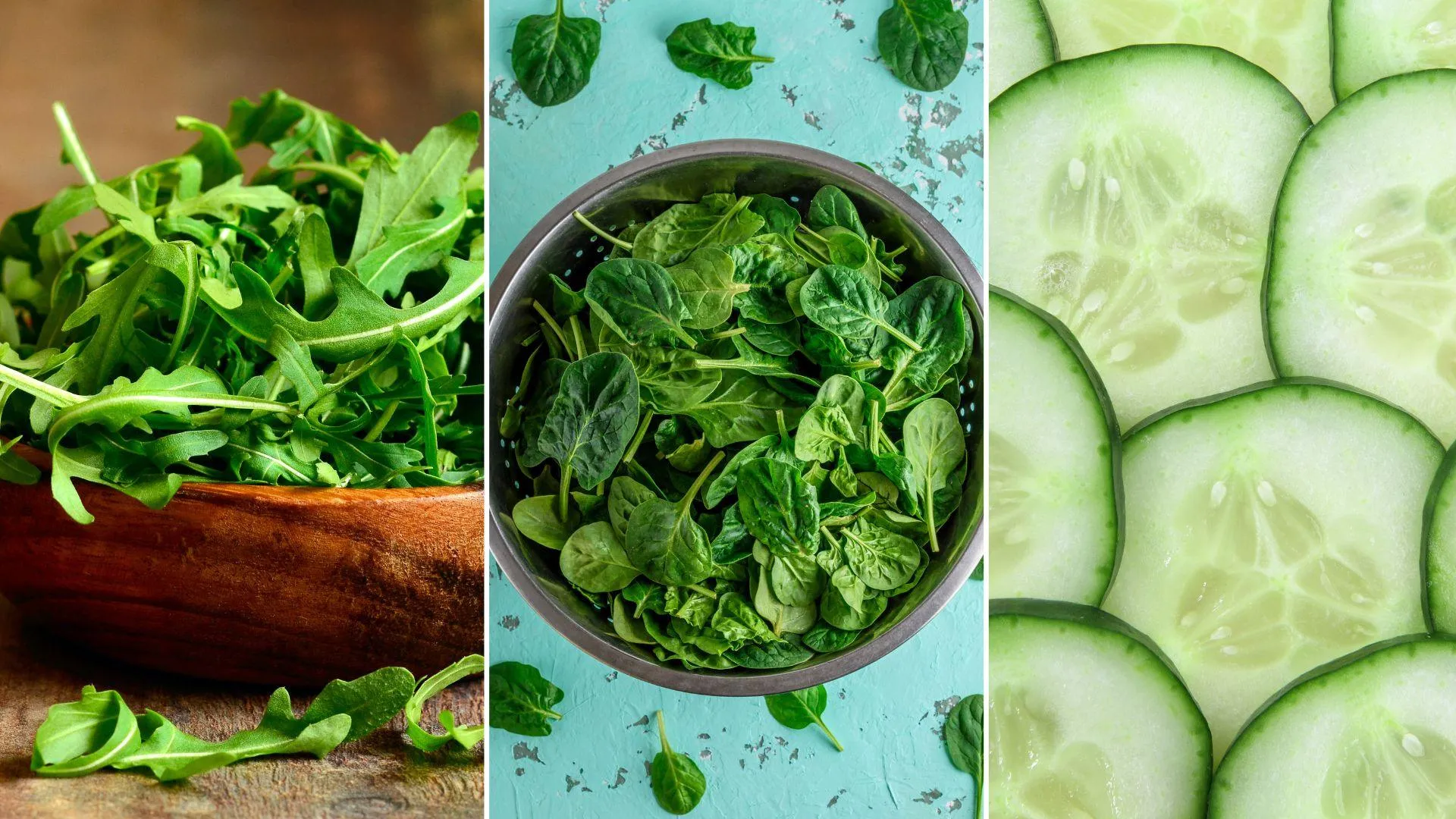
This can be rather easily navigated. Some quick and easy solutions would be to include cucumbers with your rice. If you do not have cucumbers on hand, you can reach out for lettuces like watercress and arugula with your rice to balance out the acidity level.
Some other options include pairing rice with garlic, which adheres to the grain and kills pathogens as it goes down the intestinal tract. Leafy greens such as spinach and arugula, as well as coriander, parsley, onions, spring onions, tomatoes and ginger are also excellent choices.
Surprisingly easy, isn’t it!
To sum it up, rice doesn’t feed pathogens in your body nor is it a healing food. You need to assess where you are in your healing journey, and even in your budget – because food can be so expensive depending on where you are! And if you do consume rice, you now know of the better varieties, and what to pair your rice with to make it a more healing meal rather than a problematic one for you.
References:
Medical Medium – Cleanse To Heal
The Truth About Grains Medical Medium podcast
Do you find the flu bugs getting stronger and stronger each year? With a lot more people travelling these days,
We all know the benefits of drinking celery juice – the internet is full of articles when you type in