
Featured
Is rice making me sick?
Article by: Kate Sinha In Asia, rice is such a big part of our diet – be it white rice,

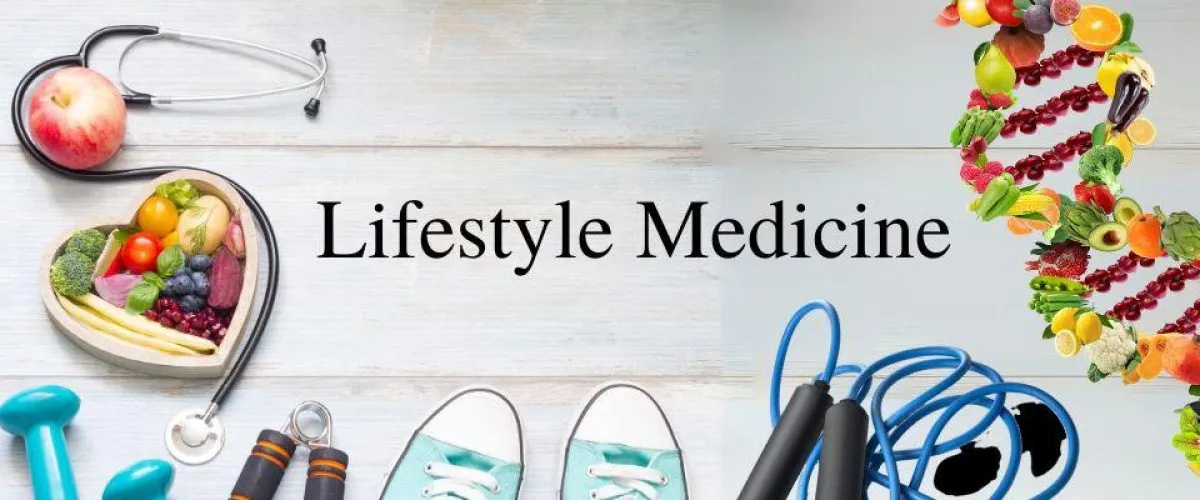

Food & Nutrition is always the first area people look at when they are considering leading a healthy lifestyle or when they have health issues and are looking at using a natural approach toward healing from chronic conditions. When we adopt a healthier whole food, plant-predominant eating pattern or use Medical Medium information in managing our health, we will most certainly start to see positive shifts in our health, especially if it is a new way of eating for us. We start to feel good, and we begin to experience relief from our health symptoms.
Yet somewhere in our healing, we may hit a snag where we no longer see any improvements – could it be our expectations because healing is not always linear? Or did we overlook some important areas beyond nutrition that are affecting our health?
According to Harvard Medical School, the six pillars of lifestyle medicine are:
Lifestyle medicine is a growing discipline that focuses on the role of lifestyle factors in preventing, managing, and reversing chronic disease. There is strong evidence that the six pillars of Lifestyle Medicine are central to the creation and maintenance of health.
More on the six pillars below.

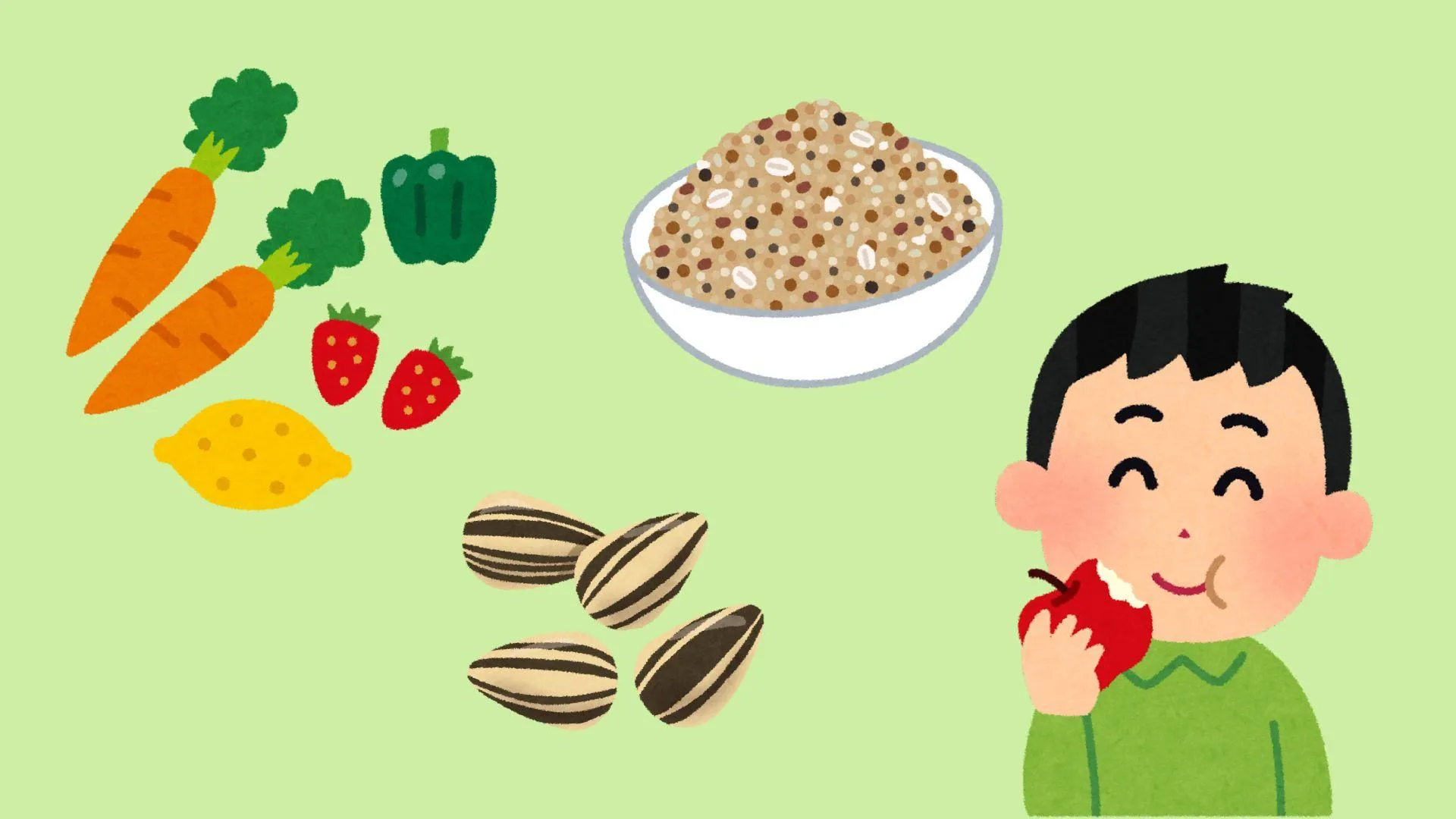
A whole-food, plant-predominant diet emphasizes the consumption of fruits, vegetables, legumes, nuts, seeds, and whole grains while minimizing processed foods and animal products. This way of eating is rich in essential nutrients, fiber, and antioxidants, which help support overall health and reduce the risk of chronic diseases such as heart disease, diabetes, and certain cancers.

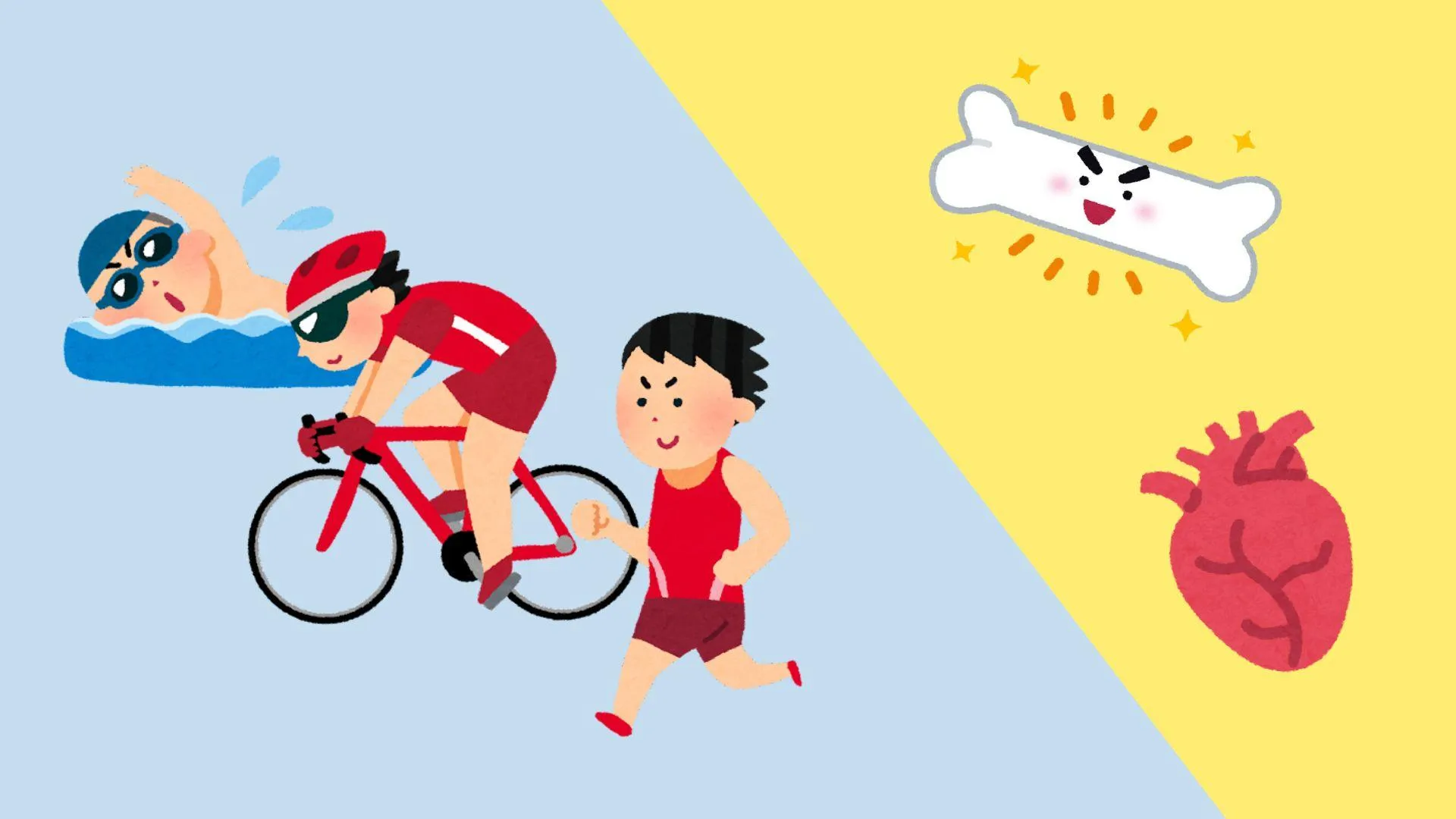
Regular physical activity is crucial for maintaining overall health and well-being. It helps to improve cardiovascular health, strengthen muscles and bones, enhance mental health, and boost immune function. The World Health Organization recommends at least 150 minutes of moderate-intensity aerobic activity or 75 minutes of vigorous-intensity aerobic activity per week, along with muscle-strengthening activities on two or more days per week.

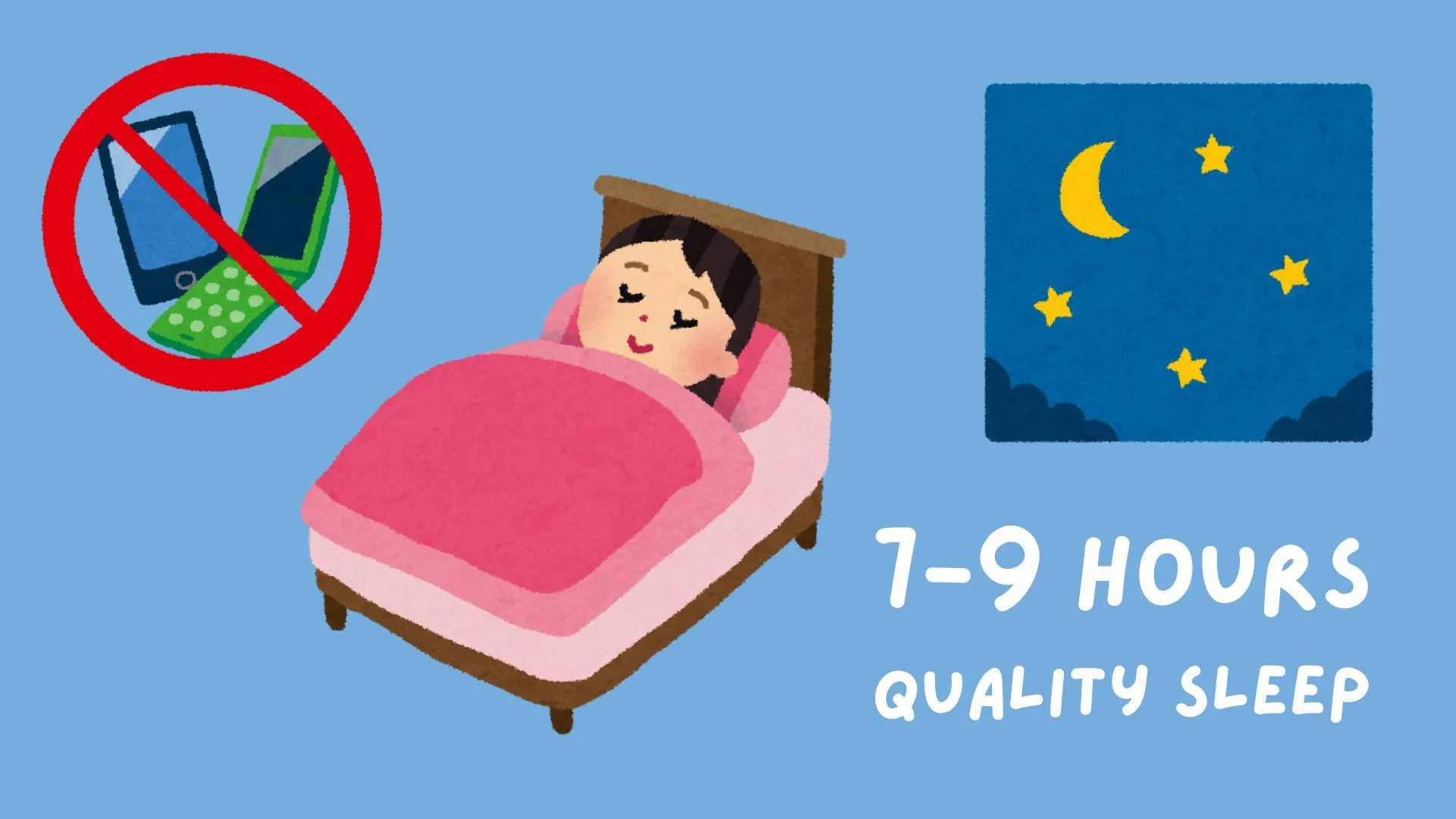
Quality sleep is essential for physical and mental health. It allows the body to repair and regenerate, supports cognitive function, and helps regulate mood and emotions. Adults should aim for 7-9 hours of sleep per night, while children and adolescents require more. Good sleep hygiene, such as maintaining a regular sleep schedule, creating a comfortable sleep environment, and avoiding stimulants before bedtime, can help improve sleep quality.

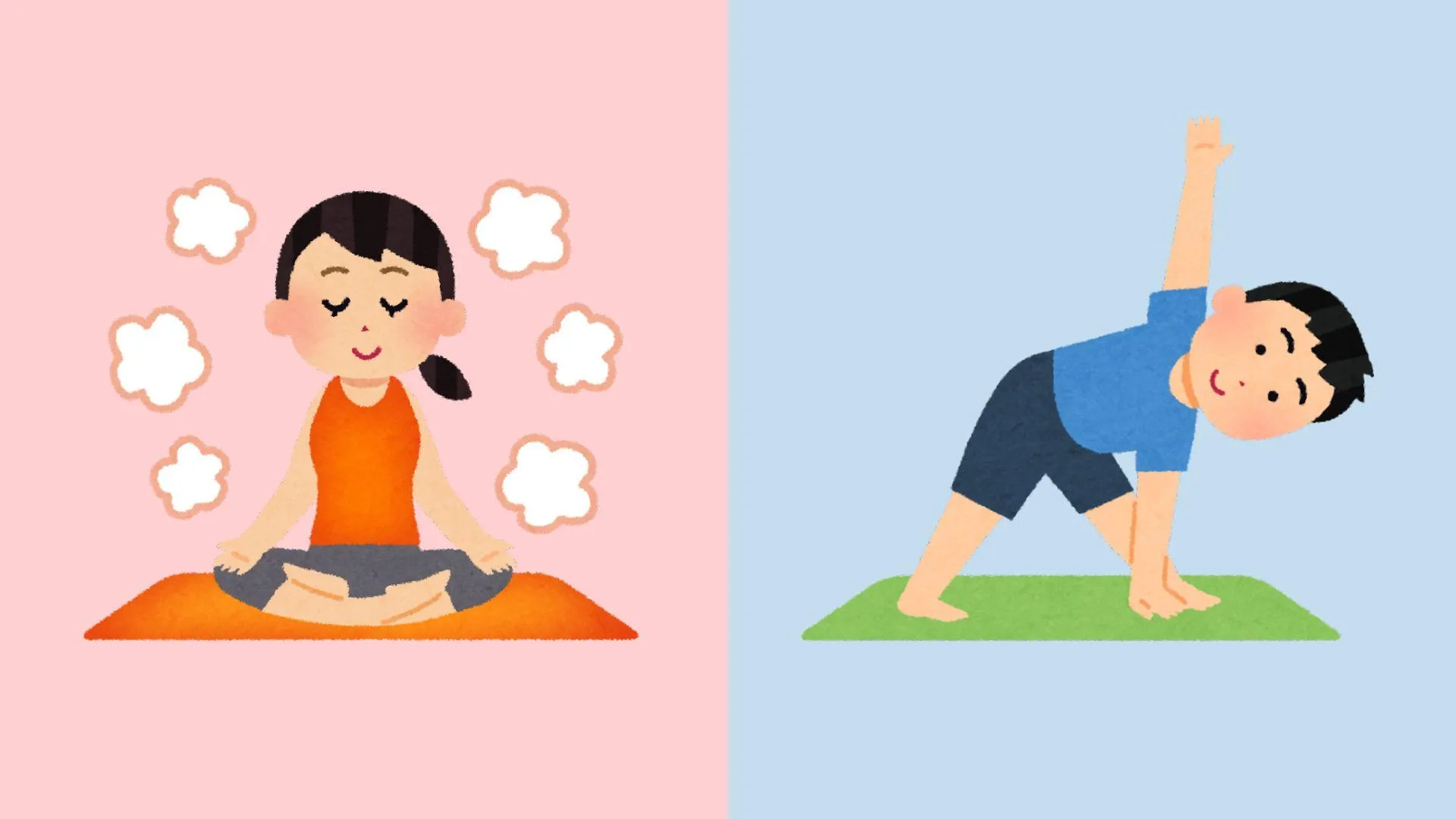
Chronic stress can have detrimental effects on health, contributing to conditions such as hypertension, heart disease, and depression. Effective stress management techniques, such as mindfulness meditation, deep breathing exercises, yoga, and regular physical activity, can help reduce stress levels and improve overall well-being.

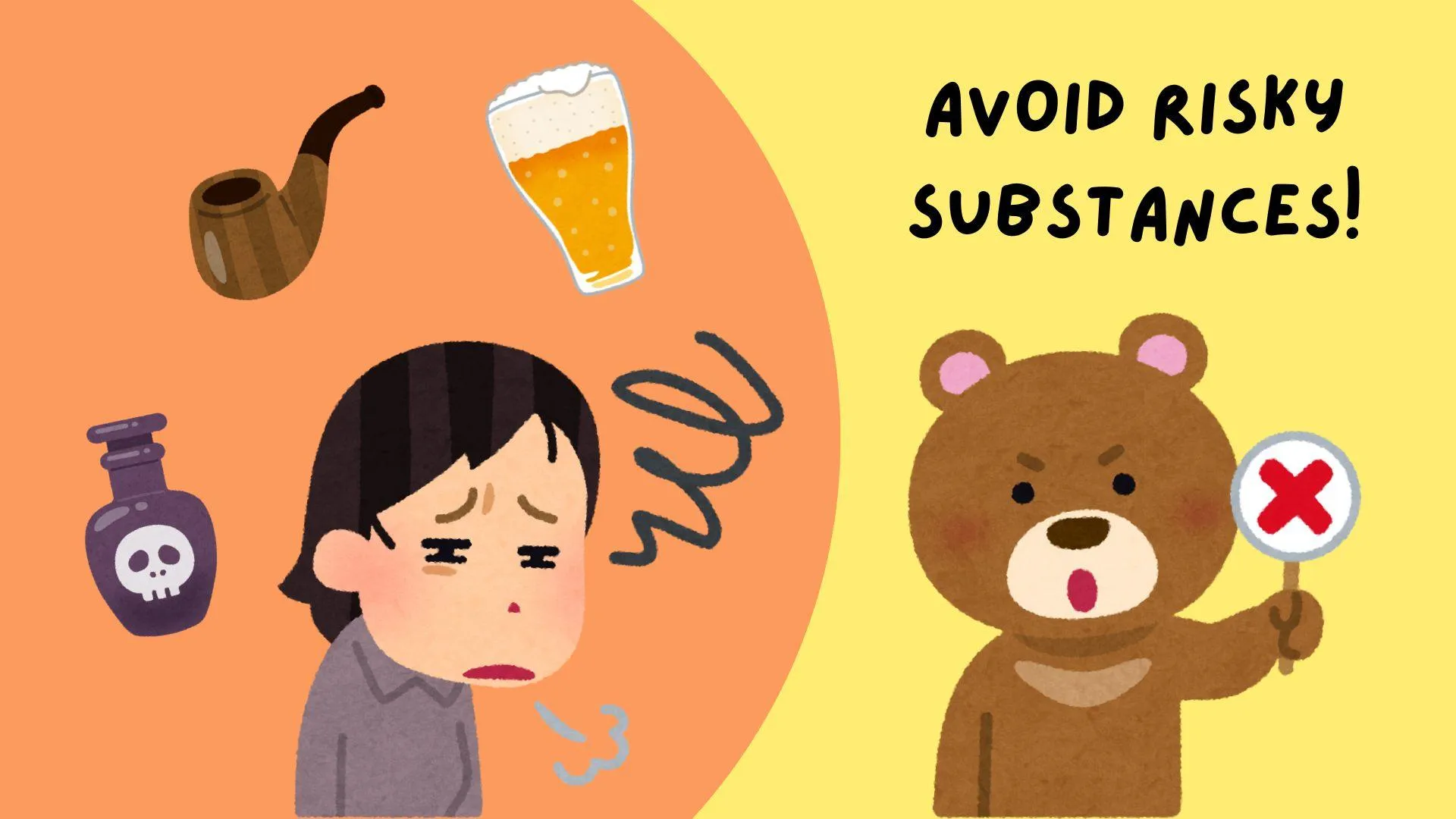
Avoiding risky substances, such as tobacco, excessive alcohol, and recreational drugs, is vital for maintaining health. These substances can lead to addiction, chronic diseases, and other health issues. Smoking cessation programs, alcohol moderation strategies, and support for substance abuse can help individuals reduce or eliminate their use of these substances.

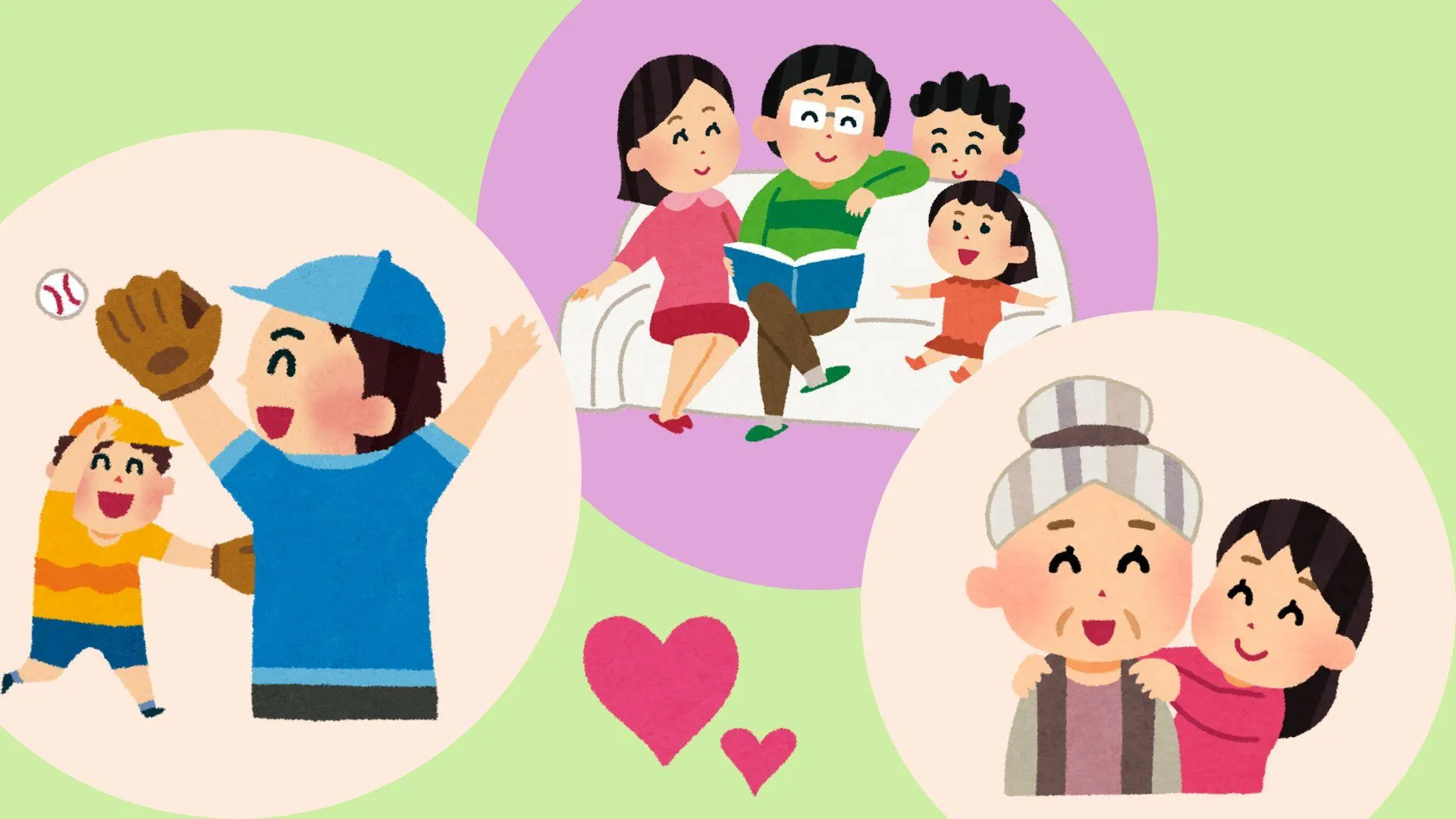
Strong social connections are essential for emotional and mental well-being. Positive relationships with family, friends, and the community provide support, reduce stress, and promote a sense of belonging. Engaging in social activities, volunteering, and maintaining open communication with loved ones can help foster meaningful connections.
So if you have hit a snag in your healing while using Medical Medium information or any other nutrition protocol, consider looking into these different areas. By integrating these six pillars into your daily life, you can create a strong foundation for long-term health and well-being. Remember that healing is a holistic process that involves not just addressing physical symptoms but also nurturing your mental and emotional well-being. Embrace the journey and be kind to yourself as you work towards achieving an optimal state of health.
Resources & additional reading:
Article by: Kate Sinha In Asia, rice is such a big part of our diet – be it white rice,

Welcome to the Clean Food Haven Healing Blog. We are glad to have you here with us to learn about